- My Cart
0
No items in cart

- My Cart
0
No items in cart
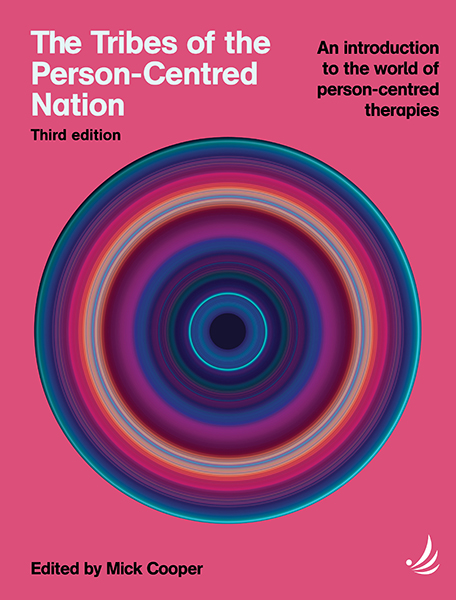
This classic text, now in its third edition, is essential reading for those training and embarking on a career in counselling. From its origins in the work and research of Carl Rogers in the 1960s to today's world where myriad forms of counselling are on offer, the person-centred approach…
The central argument of this book is that human conduct, and in particular psychological and emotional distress, cannot be understood by an analysis of individual will, intention or cognition. Conventional therapeutic psychology suggests that we are essentially self-creating and able (with a little help from a therapist) to heal ourselves…
This textbook is the second edition of the follow-on to First Steps in Counselling – the first edition has been a bestseller every year for twelve years. Now completely revised and updated for the twenty-first century, this reasonably priced book is suitable for those studying counselling and psychotherapy from intermediate…
Please join us online to launch Jeanine Connor's new book 'You're not my f*cking mother' and other things Gen Z say in therapy Tuesday 14th May - 19:00 - 20:00 BST Jeanine will be in conversation with Catherine Jackson, Commissioning Editor at PCCS Books, discussing her new…
A counselling qualification can open doors to a wealth of career opportunities in a wide choice of specialist settings. But for the newly qualified practitioner, or those considering a change of pathway, there is little guidance to help them decide their next step. In this comprehensive book, Rick Hughes has…

'Trauma-informed' has become a buzzword in the counselling and psychotherapy arena and the wider worlds of health and social care research and practice. But what does it mean in relation to practitioners' day-to-day work with clients? Susan Dale argues that all therapeutic work should put the client's needs, not…
With a foreword by Dwight Turner. This powerful and disturbing book draws direct comparisons between the plight and fates of African slaves, dehumanised and discarded to sanitise Britain’s trade in human lives and imperial ambitions, and the systemic ‘othering’ of people designated ‘mad’ throughout…
This book is a revised and retitled second edition of A Straight Talking Introduction to Being a Mental Health Service User (2010). UK mental health services were in crisis when this book was first published. They are in even greater crisis now. This updated second edition offers a cohesive basis for…
In this new addition to our very popular ‘Straight Talking Introductions’ series, two experienced psychotherapists provide a simple, factual, objective explanation of what you get when you seek therapy. Based on the latest research, this book tells you what works (and doesn’t work), how it works,…
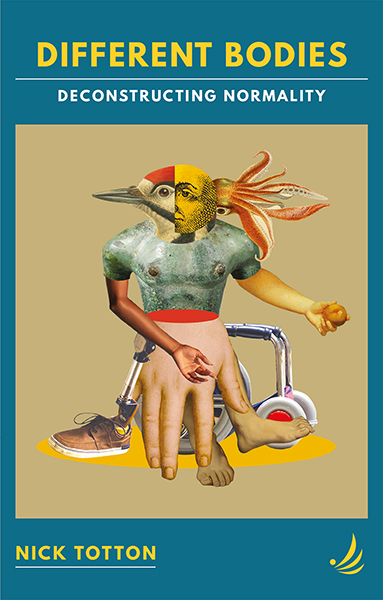
‘A revolution is underway in how we think about human variation. It has the potential to transform the social and political landscape, sweeping away walls and fences that stop so many people from fully participating. Psychotherapy should be in the vanguard of this revolution, but it isn’t,…
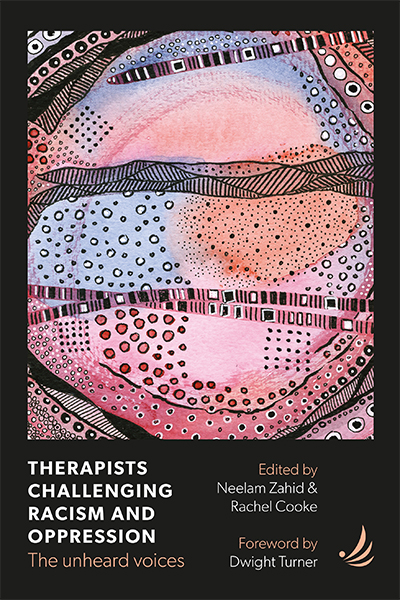
This is a book about racism and its intersections with other forms of oppression within the talking therapies, told from the therapist’s perspective. Inside are powerful, first-person accounts of the often traumatising silencing of counsellors of colour within, and by, their own profession. These are searingly honest and…
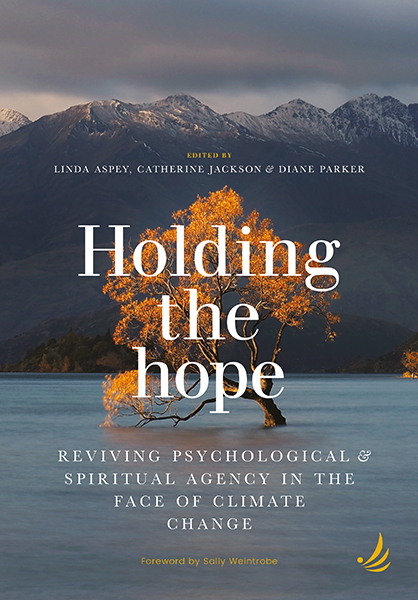
Join us for the Holding the Hope: Psychological and Spiritual Agency in a time of Climate Crisis Conference and Workshops on 8th March at 9am with Onlinevents - more info and tickets here Catastrophic climate change and the growing reality of the destruction of Earth’s ecosystem…